Grunge Dust Texture Clipart Set: A Real-World Design Review
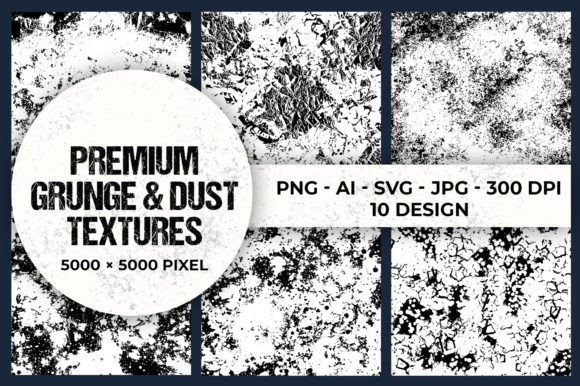
As an experienced embroidery designer and product reviewer, I've had the chance to work with a variety of texture packs over the years. When I first opened the Grunge Dust Texture Clipart Set. Vector, I was drawn in by its raw, weathered aesthetic. This pack offers four high-quality dirty wall textures that are simple yet evocative—perfect for adding subtle grit or dramatic contrast depending on your project's needs.
The Mood and Visual Personality of Grunge Dust Textures
The mood created by these textures is one of aged authenticity. They don’t shout; they whisper. The grunge elements feel like natural wear and tear rather than forced effects. Each design in the set carries a slightly different character—one might resemble cracked concrete, another could look like faded brickwork, and yet another feels like dust settling over time. These variations allow for creative layering or standalone use without feeling repetitive.
From a visual standpoint, the layout is clean and organized. The shapes are abstract enough to be versatile but grounded enough to add meaning to a design. The detail level is moderate, which makes them suitable for both background textures and focal points. What stands out most is their adaptability—they can blend into a more intricate machine embroidery design or serve as a standalone feature when stitched with the right thread colors and techniques.
Real-Life Use in Embroidery Projects
I tested this set on a custom embroidered tote bag for a local boutique. The design was layered subtly behind a minimalist logo, giving it an edgy, vintage vibe that matched the brand’s aesthetic perfectly. The result was a finished product that felt intentional and elevated—not just decorative, but meaningful.
In sweatshirt embroidery, these textures worked well as accents on cuffs or hems. Using a muted gray thread on a darker fabric gave the illusion of natural fading, something many customers appreciate for personalized gifts or boutique branding. For baby items, however, I found the textures too stark unless softened with lighter hues or used sparingly. Still, there are ways to incorporate them tastefully, especially in nursery decor where a rustic or bohemian style is desired.
Patches and aprons also benefited from the inclusion of these textures. On a leather apron, the grunge effect added a sense of craftsmanship and history. As an embroidered patch, it lent itself well to punk-inspired accessories or distressed denim jackets. Pillow covers and tea towels were another good fit—especially for those who aim to create farmhouse or industrial-style home goods.
When it comes to holiday gifts or wedding items, the textures can be used to evoke a sense of nostalgia or handmade charm. However, I recommend using them cautiously here. Too much grunge can clash with traditional festive designs. A small texture behind a name or date can add depth without overpowering the message.
Where to Use It Carefully
While the Grunge Dust Texture Clipart Set. Vector is versatile, there are certain situations where it requires careful handling:
- Small hoop sizes: These textures contain fine details that may not translate well in tight spaces. If you're working within a limited area, consider scaling down or simplifying the design.
- Textured fabrics: Stitching over canvas, burlap, or other rough materials can make the texture less defined. You’ll need to adjust stitch density or even choose a simpler variation from the set.
- Thin or stretchy fabrics: Delicate materials like jersey or lightweight cotton can distort under dense stitching. Use stabilizer and keep stitch density low to maintain integrity.
- Dark fabric backgrounds: While some textures pop on light tones, others lose their impact on dark bases. Always test the design in black and white mockups before finalizing thread choices.
- Curved surfaces: On caps or hats, the texture might get stretched or misaligned. Confirm your hoop size and ensure the design aligns with the curvature of the garment.
- Products needing frequent washing: Especially for items like kitchen towels or baby clothes, the texture might fade over time if not stitched with durable threads or stabilized properly.
Visual Appeal and Customer Perception
One of the key strengths of this set is how it enhances the visual appeal of a handmade product. It adds depth and dimension that elevate a standard embroidery file into something more memorable. Customers tend to notice these subtle details, especially in personalized gifts or craft fair products. It gives the impression that the item has been carefully curated, not mass-produced.
However, the same qualities that make it appealing can also affect stitching clarity. Dense areas of the texture might require more attention during editing to prevent stitch distortion or puckering. In commercial embroidery projects, consistency across multiple units is crucial. That means testing the design thoroughly before production runs.
Design Notes for Maximum Impact
- Test on scrap fabric first: Especially important if you're planning to use it on a new material type or for a specific customer request.
- Check thread color contrast: These textures often work best with neutral or earthy tones. Bright or pastel threads may soften the intended effect.
- Review stitch density: Lower density helps preserve fabric quality while still conveying the texture visually.
- Confirm hoop size: Some designs in the set may require larger hoops to display all their features clearly.
- Inspect small details: Make sure any fine lines or cracks don’t become lost in the stitching process.
- Use proper stabilizer: A tear-away or cut-away stabilizer can help maintain shape and prevent shifting during stitching.
- Check whether it works for both personal and commercial projects: The design is flexible enough for either, but always review licensing terms before selling finished products or digital assets.
Brand Consistency and Professionalism
For Etsy sellers and small shop owners, maintaining a cohesive brand image is essential. The Grunge Dust Texture Clipart Set. Vector can help achieve that by reinforcing a consistent theme across your product line. Whether it's a grungy edge around a label or a textured backdrop for a nameplate, it contributes to a professional and polished presentation.
Buyer engagement is another factor worth considering. In today’s market, customers are looking for unique, handcrafted touches. These textures can give your handmade products that extra bit of personality that sets them apart from generic offerings. Just be mindful of how they interact with your main design elements—balance is key to keeping the overall look from becoming too busy or unrefined.
Final Thoughts for Creative Entrepreneurs
If you’re part of a craft business or run a small shop, this set is a valuable addition to your design toolkit. It doesn’t replace bold logos or vibrant illustrations, but instead complements them with a tactile visual language. It’s ideal for anyone wanting to inject a little rebellion or realism into their embroidery projects.
That said, don’t rush to stitch it onto everything. Take time to understand how each texture behaves in different contexts. Ask yourself: does this enhance the story I want to tell through my product? Does it reflect the values of my brand or the expectations of my customers?
Remember, the beauty of machine embroidery design lies in thoughtful application. The Grunge Dust Texture Clipart Set. Vector isn't just about aesthetics—it's about intentionality. Used correctly, it can turn a basic tote bag into a statement piece or make a printed mockup stand out in your Etsy listing. But like any design element, it needs care and context to shine.
Before committing to a large order or a commercial run, check the design specs. Confirm the recommended hoop size, stitch count (if available), and thread requirements. Also, ensure that the licensing allows for resale or commercial use, as this varies between different embroidery files and graphics packages.
In short, this is a set that rewards experimentation but demands respect. It’s perfect for the designer who wants to add a touch of realism without going overboard. So go ahead—play with it, but do so wisely. Your customers will thank you for the thoughtfulness in the final product.